urban design / architecture
sanford hangar proposal
sandford, florida, usa
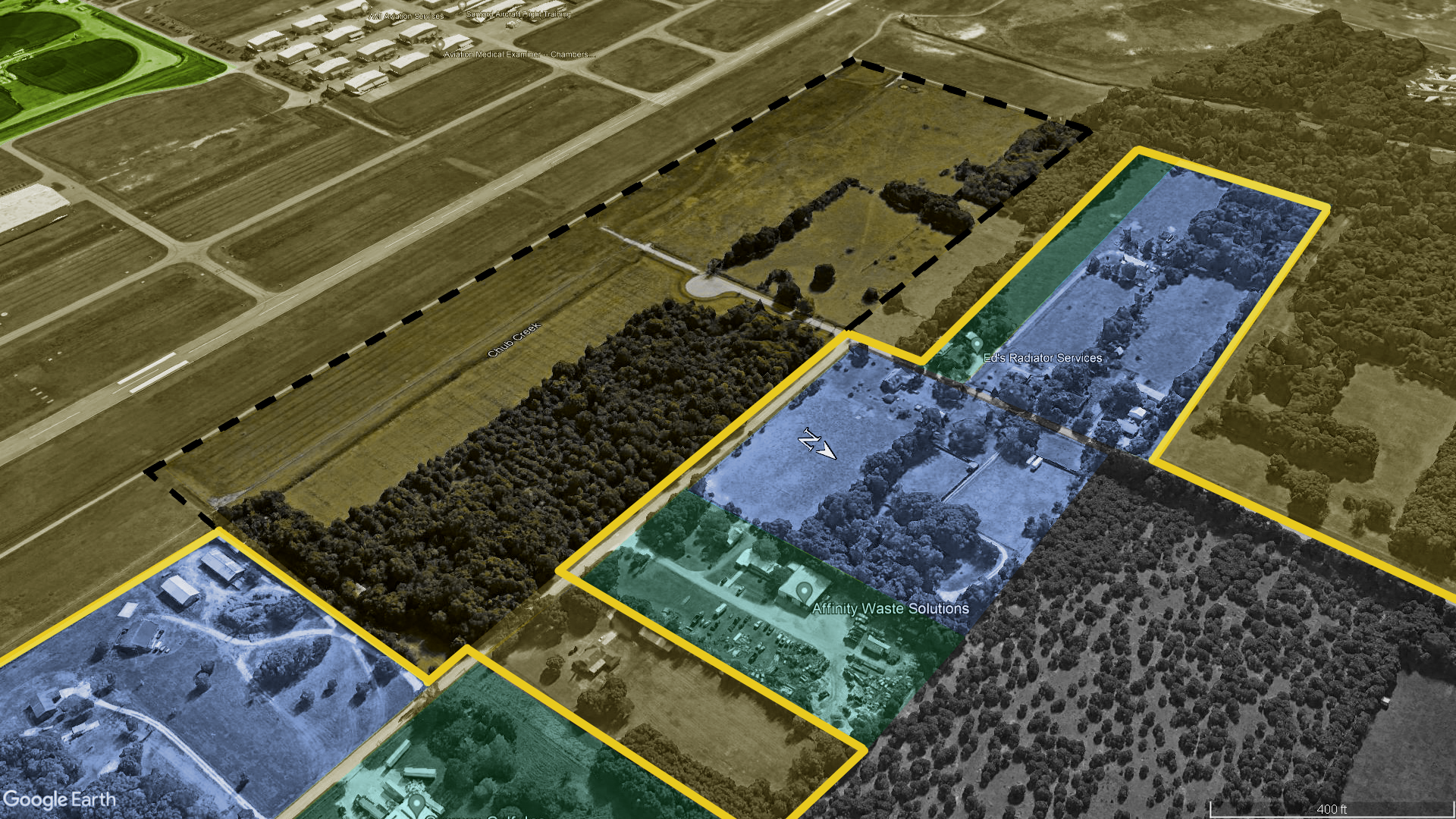
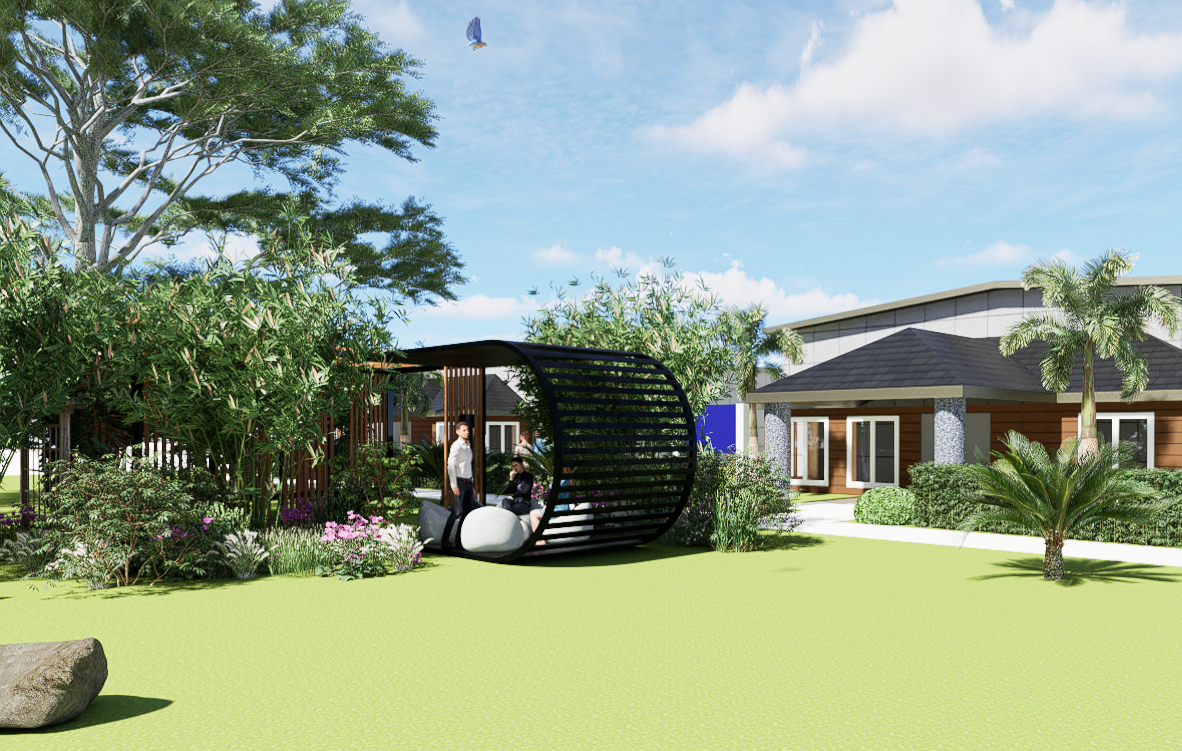
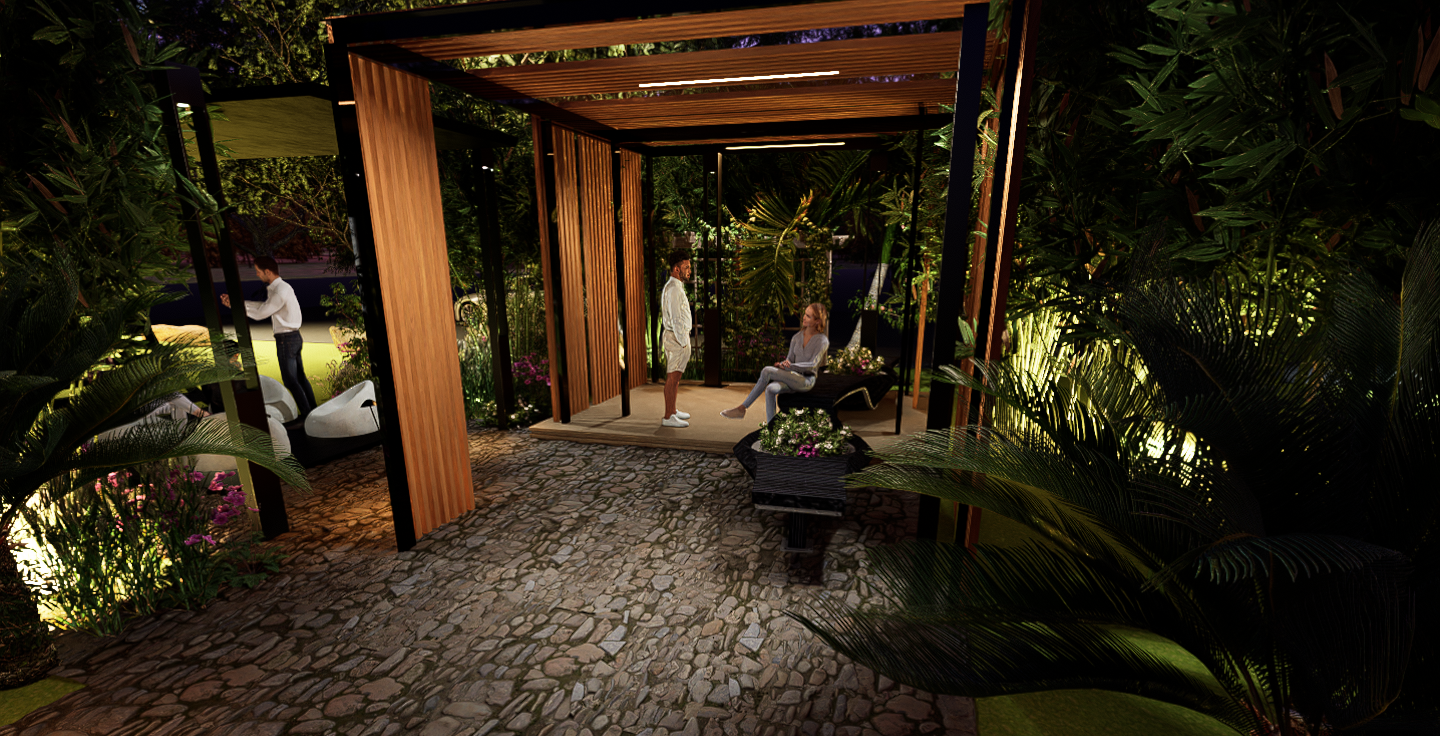
Resilient, High‑Performance Aviation Infrastructure This proposal outlines a new generation of aircraft hangars designed to support the Sanford Airport Authority and its partners with durable, cost‑effective, and climate‑responsive facilities. The project introduces both T‑hangars and conventional hangars engineered to withstand Florida’s harshest weather conditions—including heavy rain, hurricanes, and wind gusts up to 150 mph—while maintaining a clean, modern aesthetic. Beyond meeting aviation demand, the proposal strategically activates Moore Station Road and its surrounding industrial and residential context, contributing to the broader goals of the Sanford Comprehensive Plan. By reinforcing the city’s pillars of character, culture, connections, and commerce, the hangar development supports Sanford’s rapid growth and its ambition to become a major cultural and economic hub in Central Florida. Aligned with the airport’s priorities for safety, efficiency, environmental compatibility, and long‑term capacity, this proposal positions the site as a catalyst for economic development and a model for sustainable aviation infrastructure.

backyard mini greenhouse project
florida, usa

Expanding access to fresh food I collaborated with a start‑up company to design an easy‑assembly backyard greenhouse aimed at helping families grow their own fresh produce—especially in communities facing food deserts and limited access to quality fruits and vegetables. The goal was to create a structure that was affordable, intuitive to build, and adaptable to small urban yards. My work focused on simplifying the construction system, improving material efficiency, and ensuring the greenhouse could be assembled with minimal tools or experience. At its core, the project is about empowerment: giving households the ability to grow healthy food, strengthen local resilience, and reclaim a sense of agency in places where fresh produce is often out of reach.
architectural design & drafting portfolio
This portfolio brings together a curated selection of my professional architectural design and drafting work, showcasing the range and depth of my experience across the built environment. It includes projects completed in collaboration with structural and civil engineers, architects, interior architects, and multidisciplinary design teams. The work spans medical facilities, luxury residential renovations, commercial interiors, exterior building upgrades, and specialized environments such as surgical centers.
The portfolio highlights my technical proficiency in AutoCAD and Revit, with a strong emphasis on detailed construction drawings, structural detailing, and documentation for both new construction and renovation projects. While this collection represents only a portion of my full body of work, it demonstrates the versatility of my skill set—from large‑scale architectural coordination to precise drafting tasks—and reflects the diverse project types I’ve contributed to throughout South Florida and the Orlando region.
live work grow project
northwest neighborhood, west palm beach, florida, usa
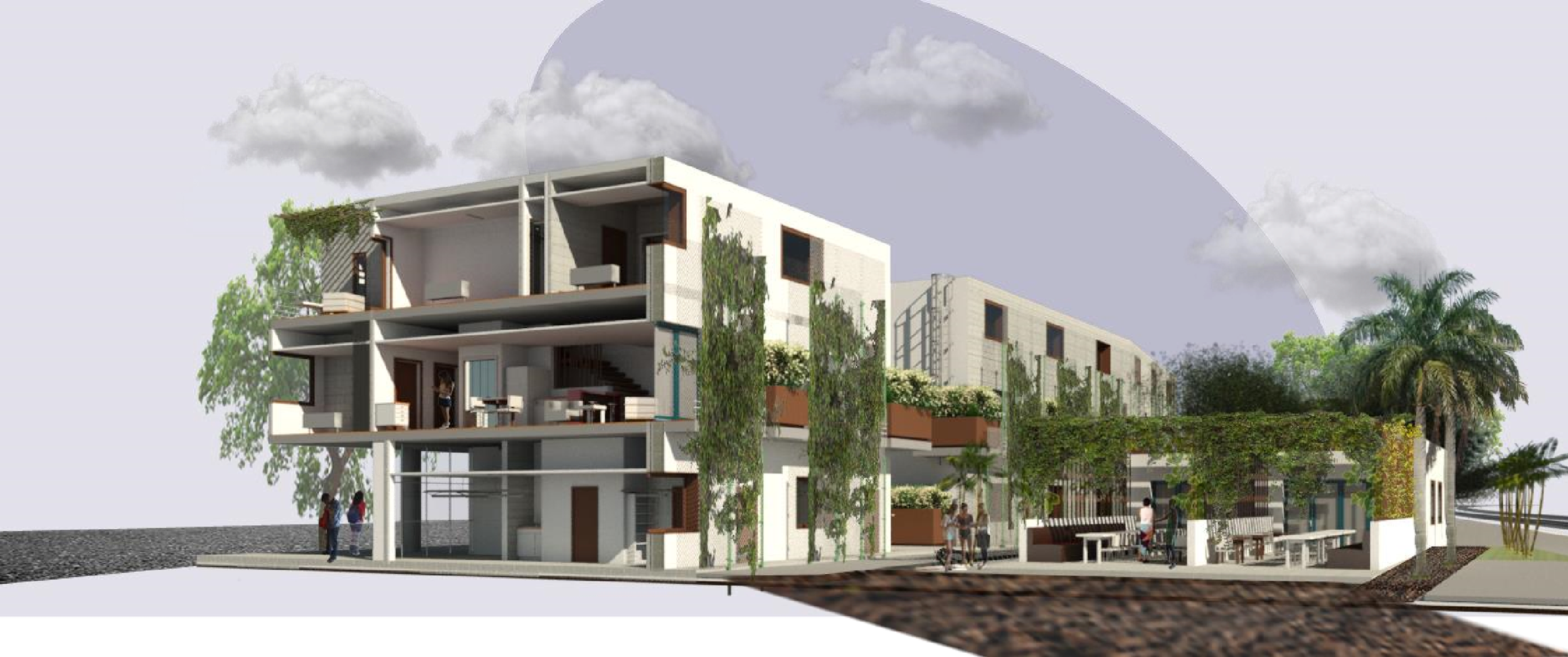
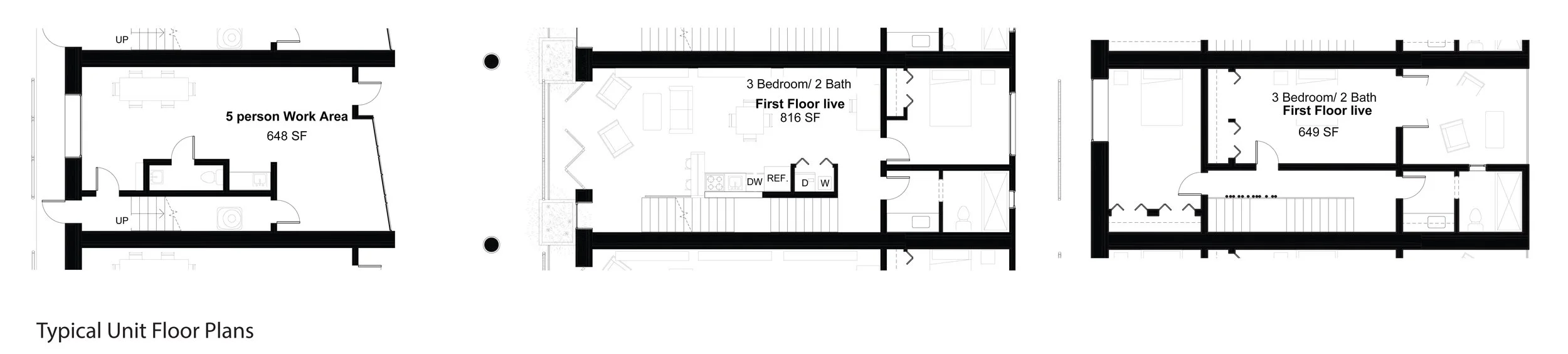
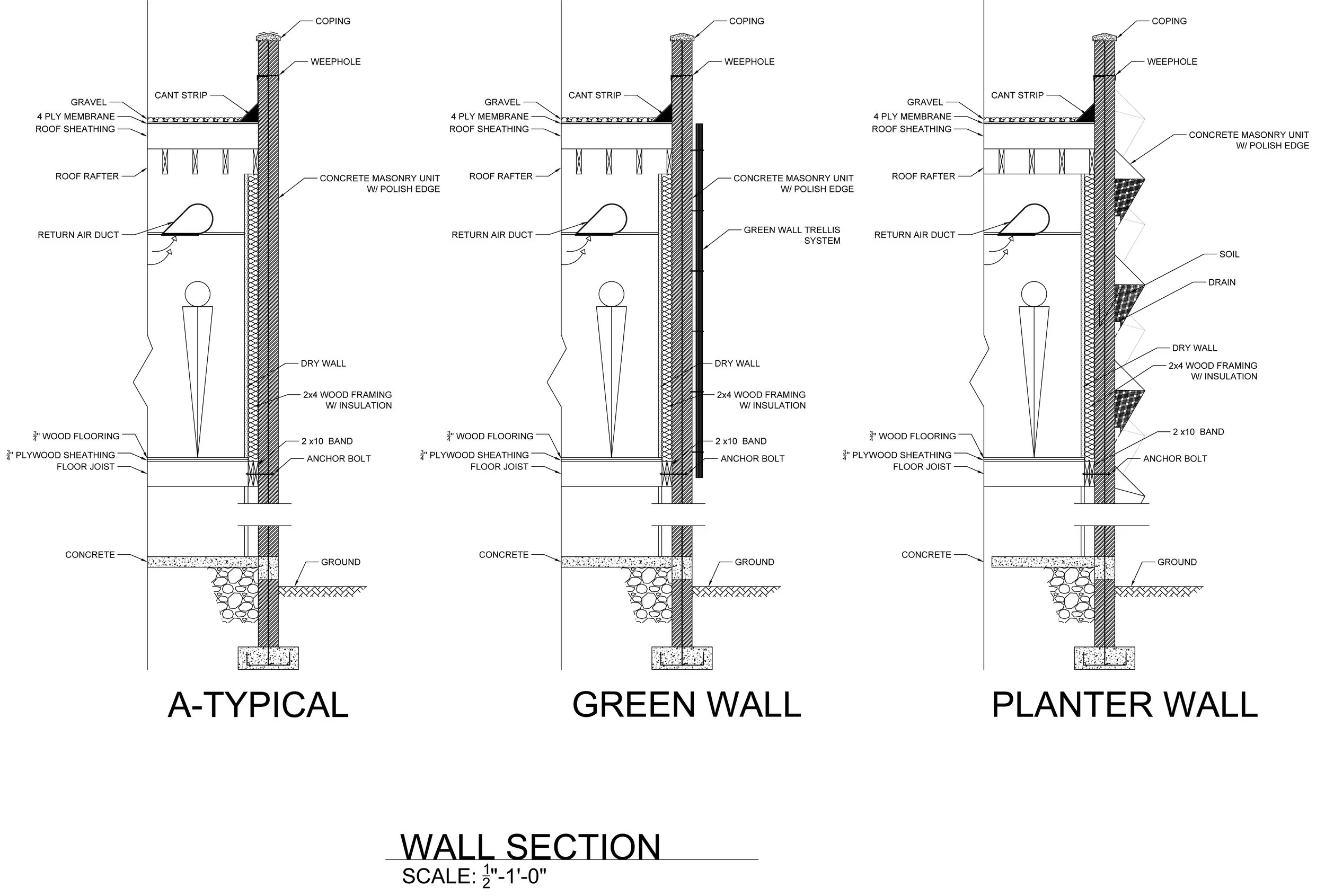
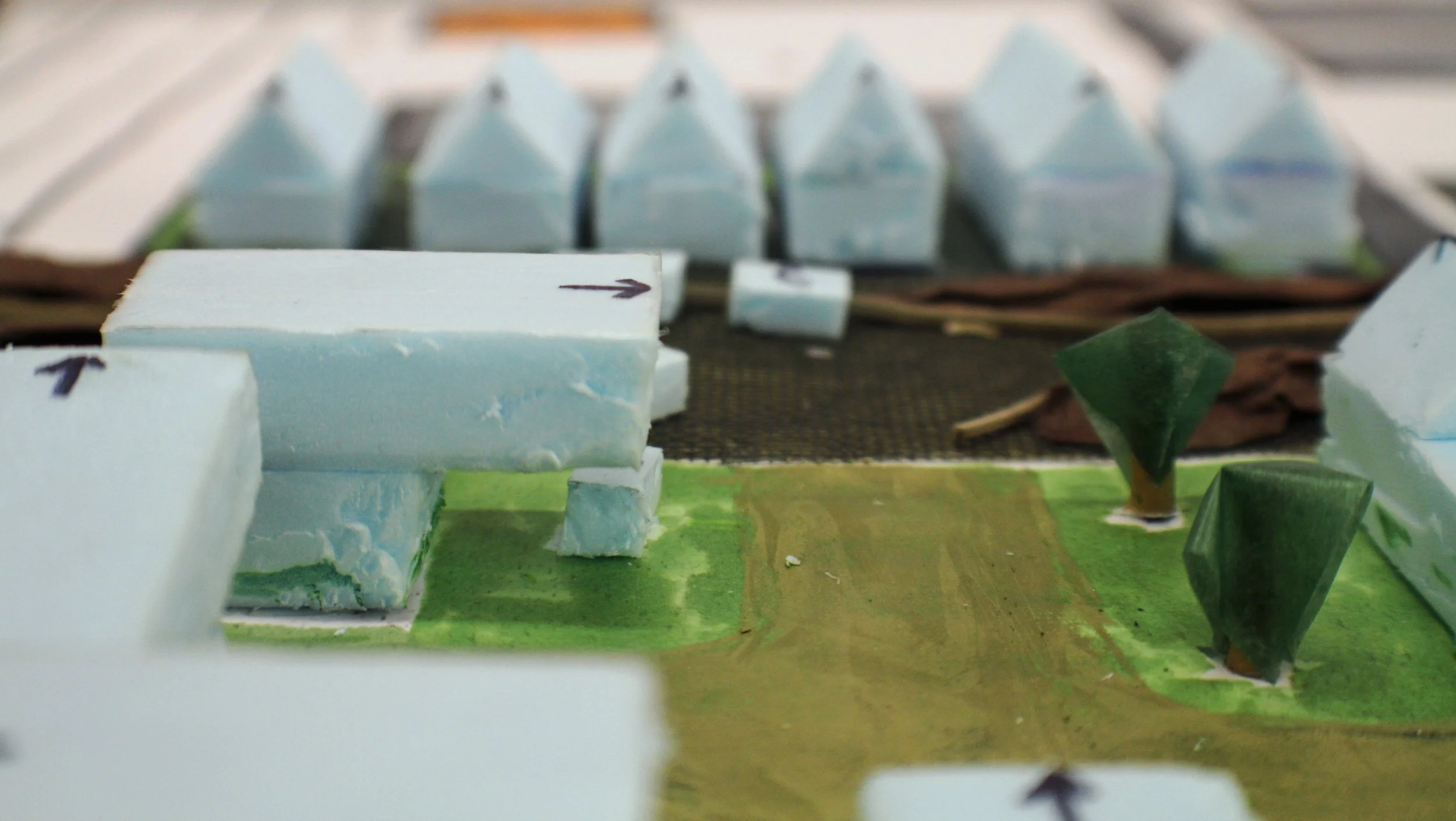
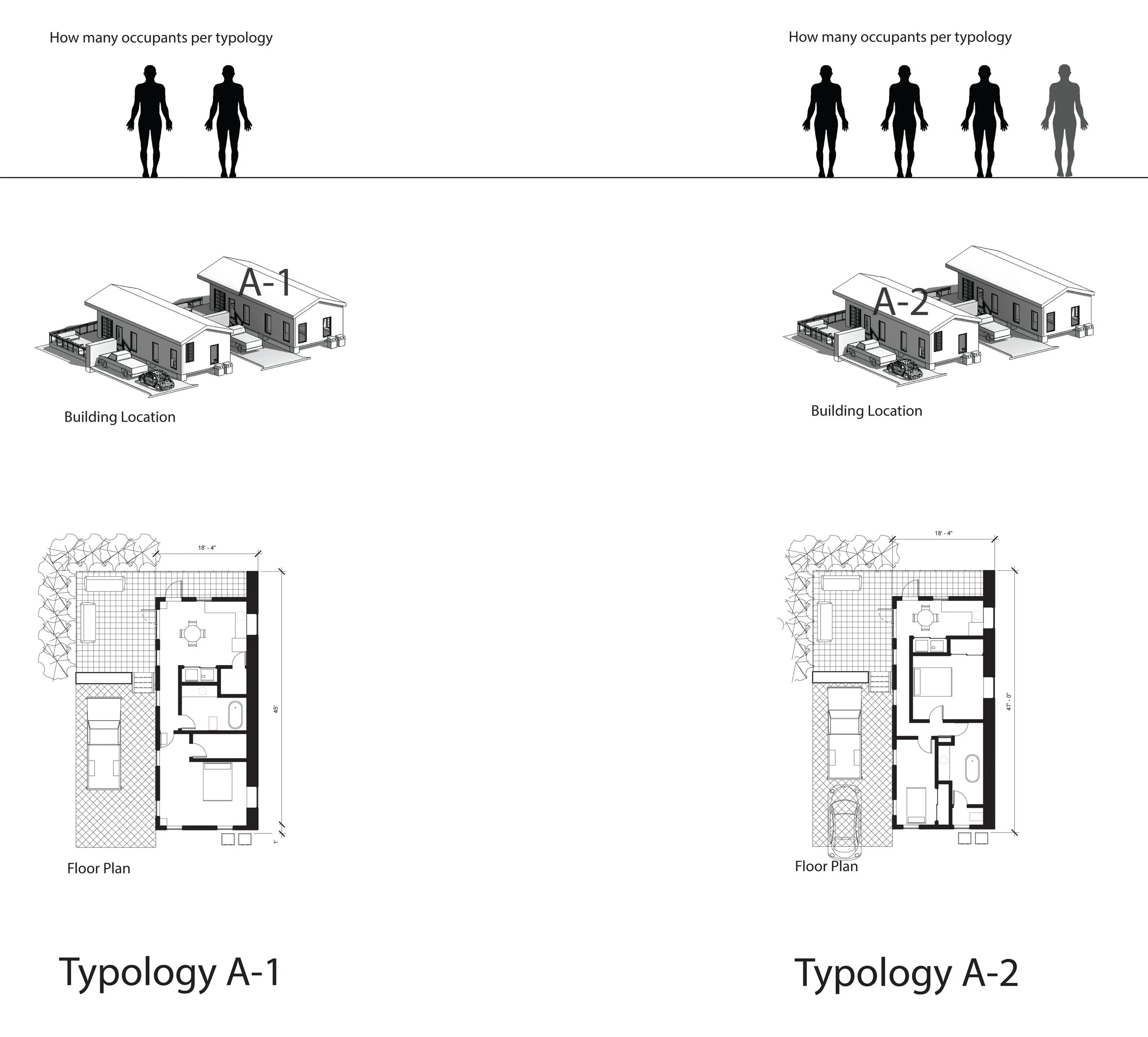
FAU Design 10 Final Project Located at the corner of 7th Street and Tamarind Avenue, this project reimagines a vital gateway into West Palm Beach’s historic Northwest neighborhood. Tamarind Avenue is the social spine of the community—active, expressive, and full of character—but lacking essential resources like fresh food access, youth programs, and green space. Live Work Grow responds with a mixed-use vision that invites business owners to live and work in the same location, strengthening local ties and supporting economic resilience. The design includes varied live/work units, an urban farm, and shared public space—creating opportunities for intergenerational growth, cultural exchange, and everyday connection. By anchoring development in community needs and spatial equity, this project offers a framework for inclusive, place-based revitalization.
hotbox project
west palm beach, florida, usa
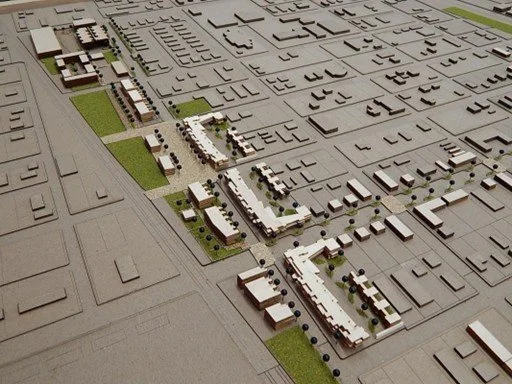
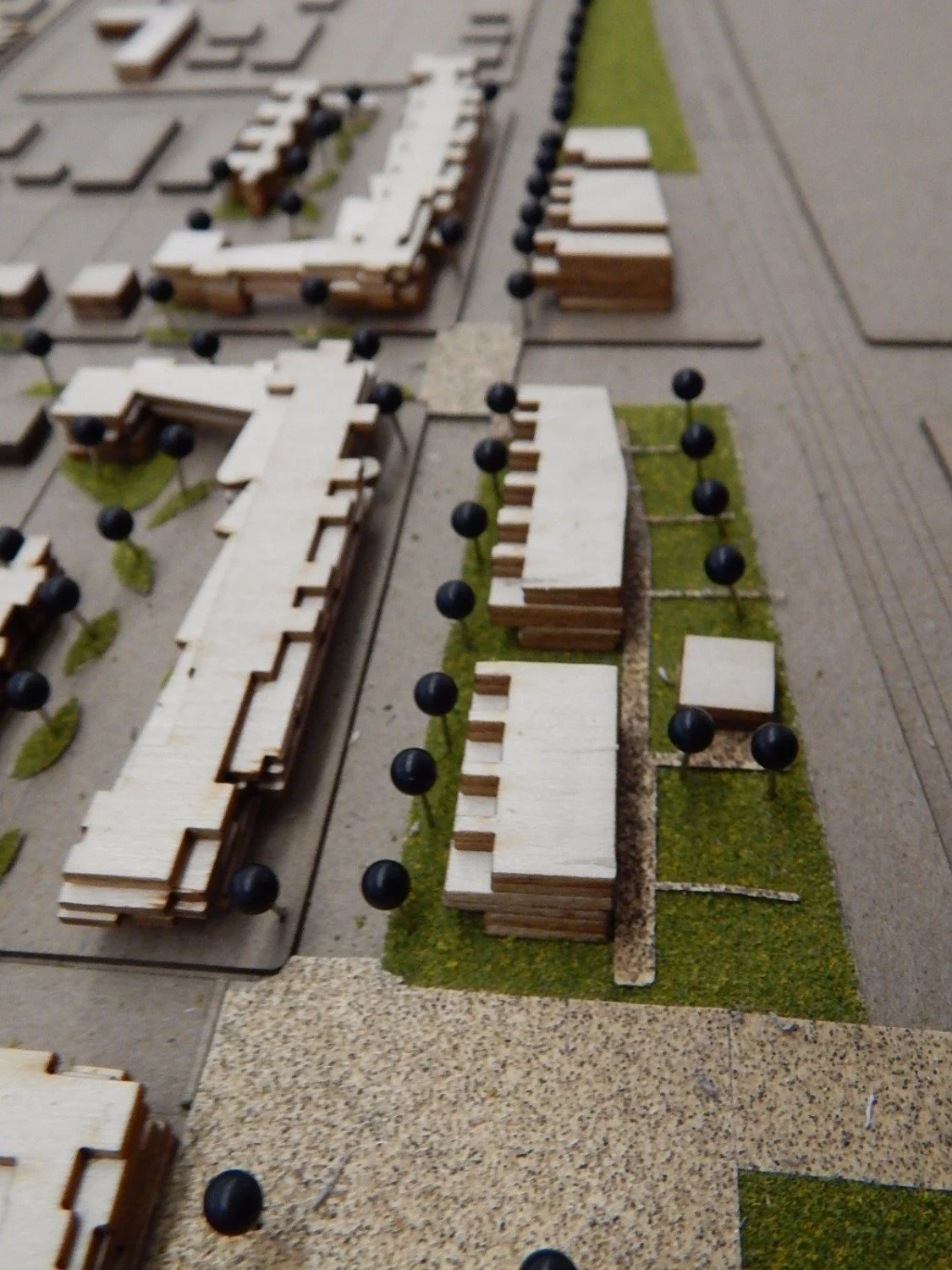
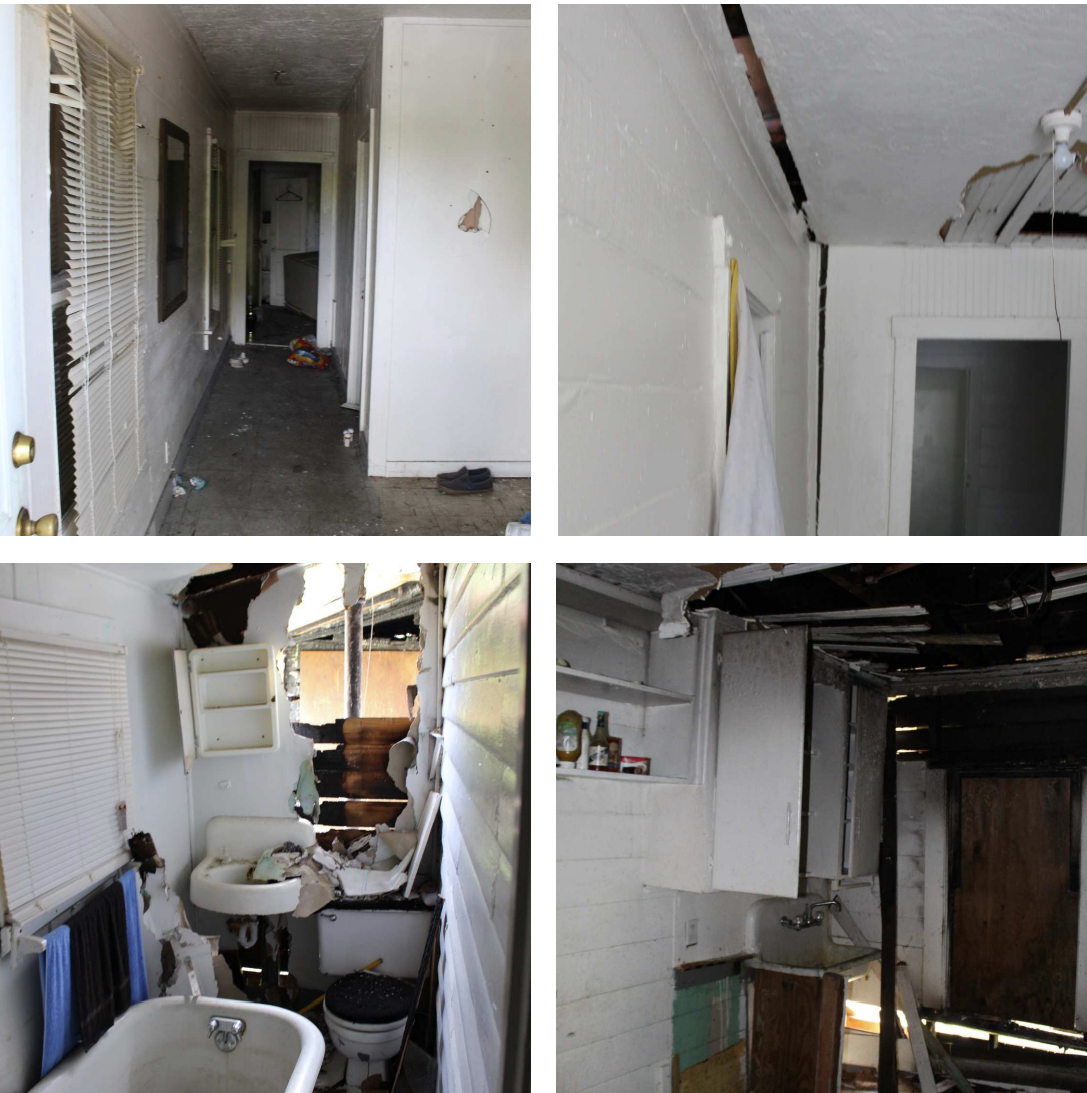
Revitalizing the Northwest Historic Neighborhood As part of FAU’s Design 9 studio, I collaborated with MFK REVA Development to reimagine the “Hotboxes”—a cluster of abandoned shotgun houses on Douglas Avenue—into vibrant artist residences supported by a Knight Foundation Arts Grant. Our role was to propose architectural and urban design strategies that could catalyze long‑term revitalization in the Northwest Historic Neighborhood, a district rich in cultural history but challenged by disinvestment, speeding one‑way streets, and high crime rates.
Through a ten‑month research and design process, we analyzed the neighborhood’s existing fabric—its walkable block structure, missing‑middle housing types, and strong potential for mid‑density urban life—and developed phased interventions at the 5‑, 10‑, and 20‑year marks. The proposals focused on strengthening walkability, activating key corridors like Tamarind and Rosemary, and creating safer, more engaging streetscapes with more “eyes on the street.”
The Hotbox Project became a catalyst for broader revitalization efforts, demonstrating how small‑scale architectural interventions, paired with thoughtful urban strategies, can help restore identity, support local artists, and reconnect a historic neighborhood to the larger city.

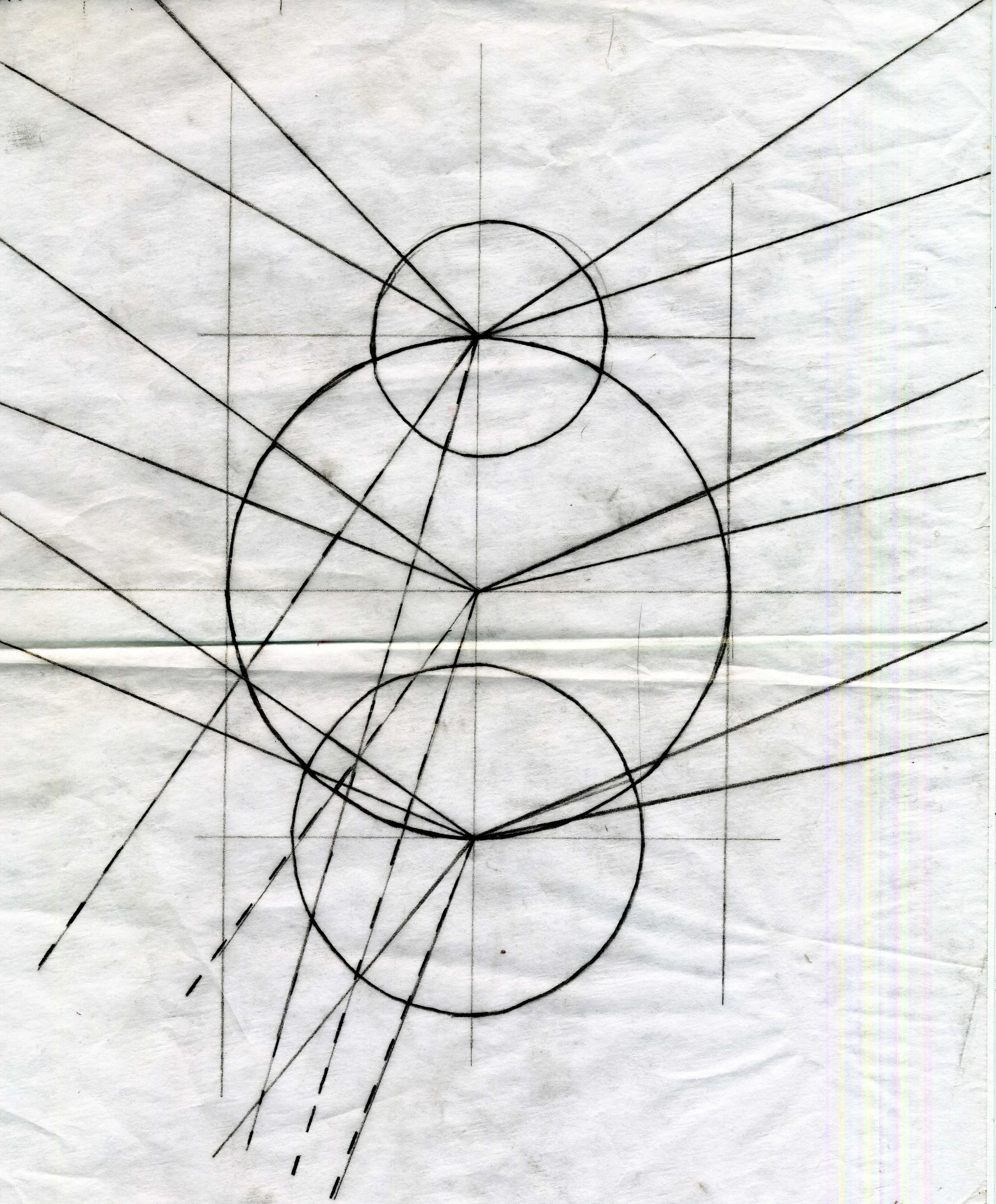
This project reimagines an Olympic‑scale velodrome for the city of Savannah, designed for a challenging site at the edge of the historic district. Drawing from Savannah’s iconic grid and square system, the proposal overlays the city’s rigid geometry with the fluid proportions of the human body—research that originated from an independent study on spatial relationships and classical anatomical systems such as the Vitruvian Man. The result is a velodrome whose form balances structure and movement, precision and rhythm, much like the musical instrument that inspired its name.
The design responds directly to the site’s dramatic elevation changes, allowing the building to reveal itself subtly from the historic core while opening fully toward the east. Its exoskeletal structure exposes the rhythm of beams and supports, creating a dynamic interplay of solid and transparent panels that echo both human motion and musical cadence. Inside, the velodrome meets Olympic standards, providing space for athletes, coaches, media, and equipment, while offering flexible programming so the arena can transform for community events when not in use.
The Fender Velodrome is ultimately a study in harmony—between old and new, body and city, structure and performance. It honors Savannah’s character while introducing a contemporary landmark shaped by movement, proportion, and the fluidity of sport.