research
the reassessment of people in urban places: historical vs modern cities
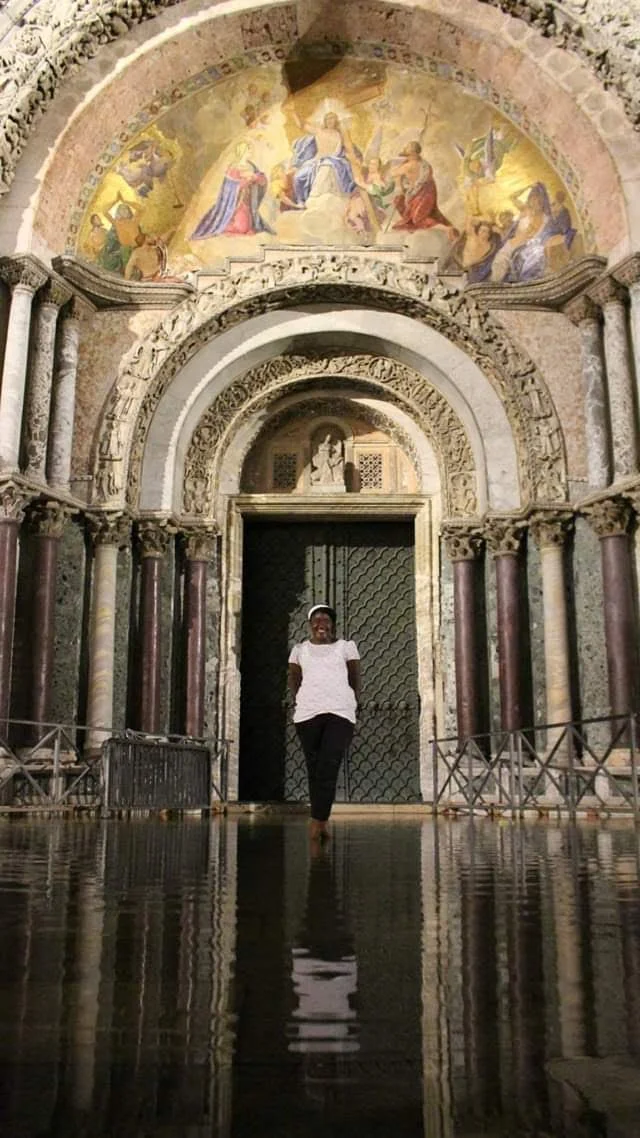
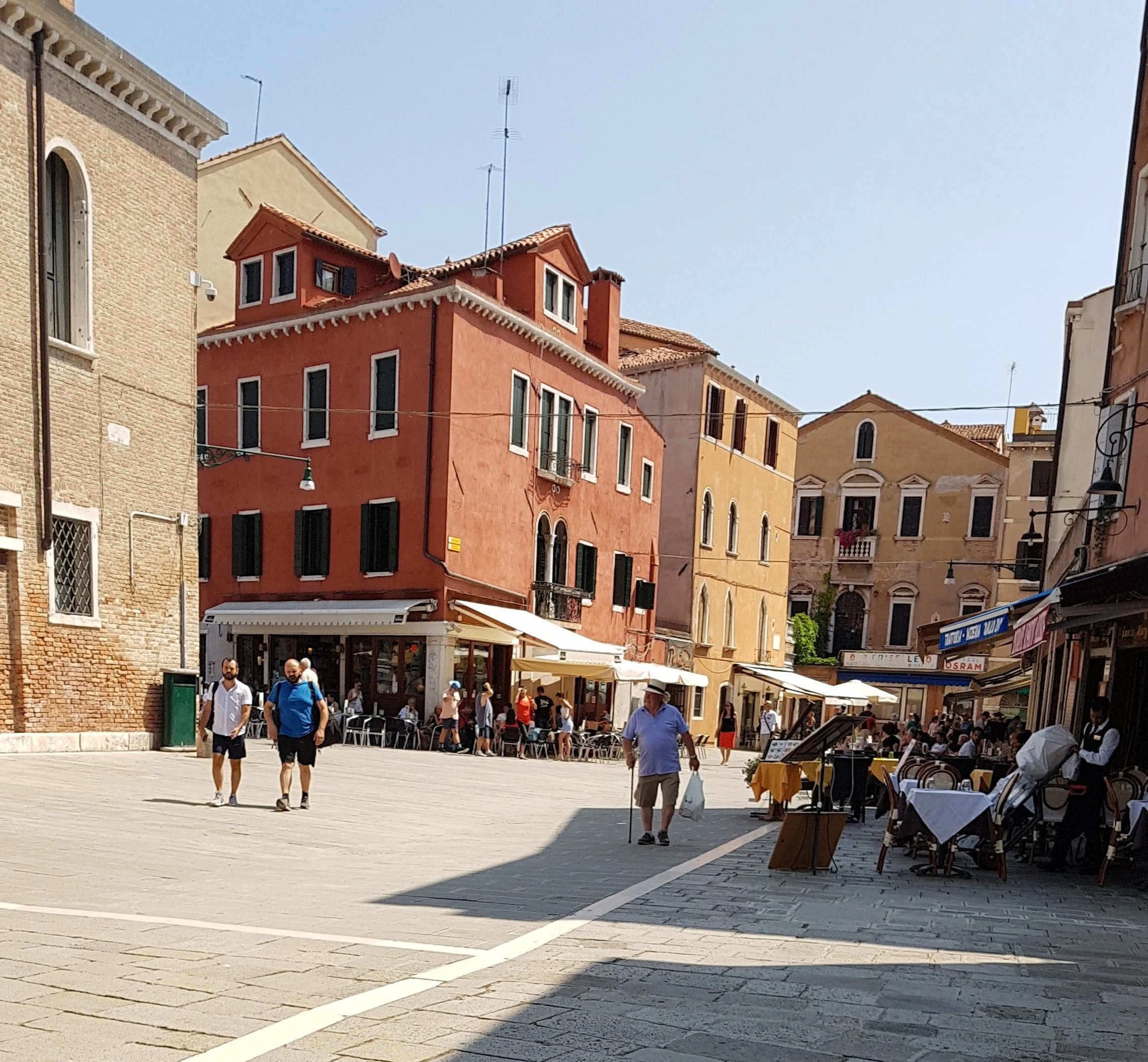
Cardiff University- Final Dissertation This research explores how people experience cities at eye level, comparing the organic evolution of historical urban environments with the engineered planning of modern ones. Historical cities like Verona grew slowly over centuries—shaped by necessity, walkability, and collective life—resulting in places scaled to human senses and daily rhythms. Modern cities such as Fort Lauderdale, by contrast, emerged in an era defined by cars, infrastructure, and technological convenience, often losing sight of the human perspective in the process.
Through fieldwork in Verona and lived experience in Fort Lauderdale, this dissertation examines why historical cities tend to feel safer, more comfortable, and more socially alive. It introduces the concepts of resident and temporary resident to challenge traditional hierarchies of who “belongs” in a city, arguing that anyone who occupies a place—whether for days or years—contributes to its life and should be considered in its design.
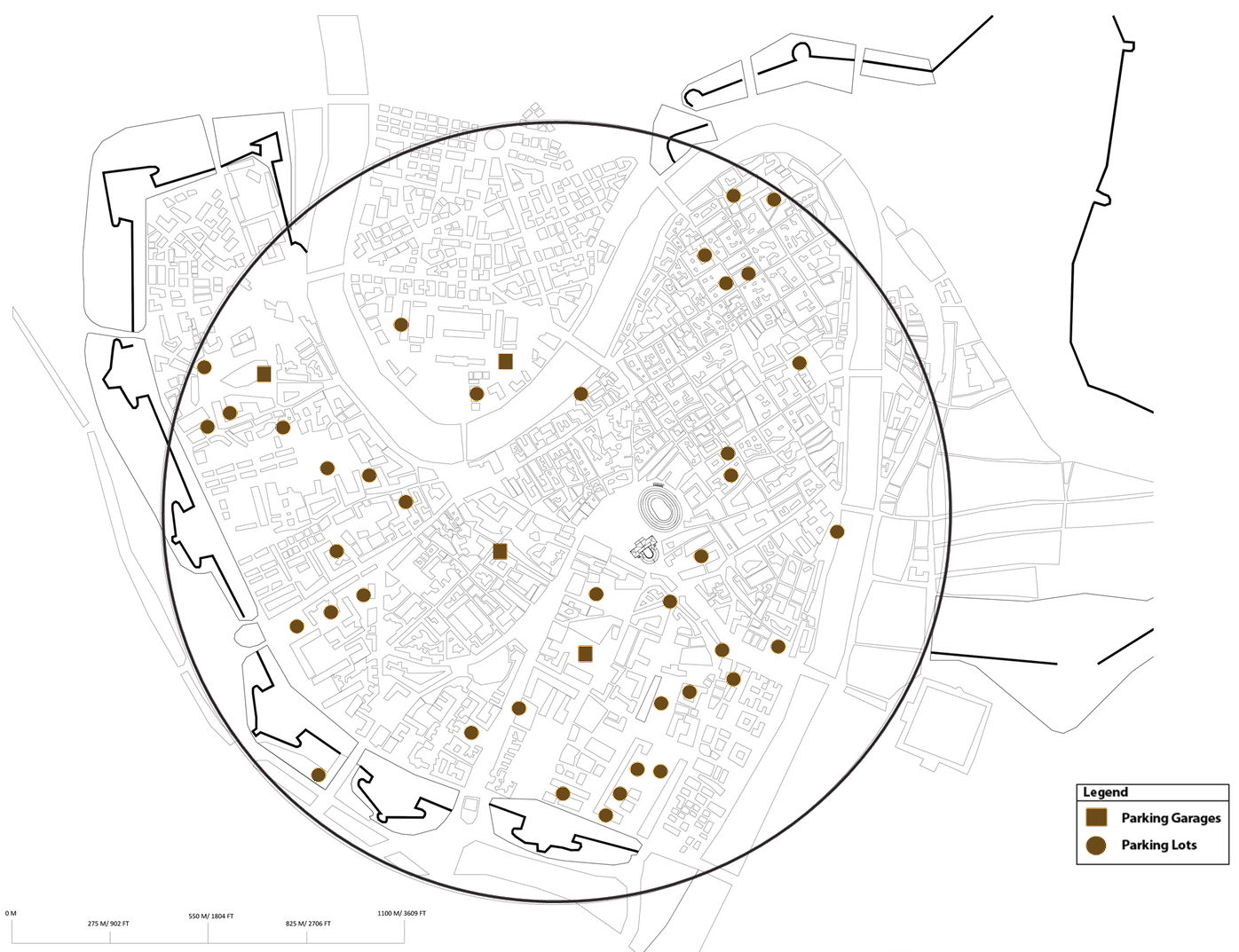
Using literature from Jan Gehl and Jeff Speck, historical timelines, experiential field notes, and comparative analysis of plazas, parks, parking, and everyday amenities, the study reveals how modern planning can learn from the longevity, character, and human-centered logic of older cities. Ultimately, the dissertation argues that understanding cities from the ground up—not the aerial view—is essential to creating urban environments where people feel connected, safe, and part of a shared urban organism.
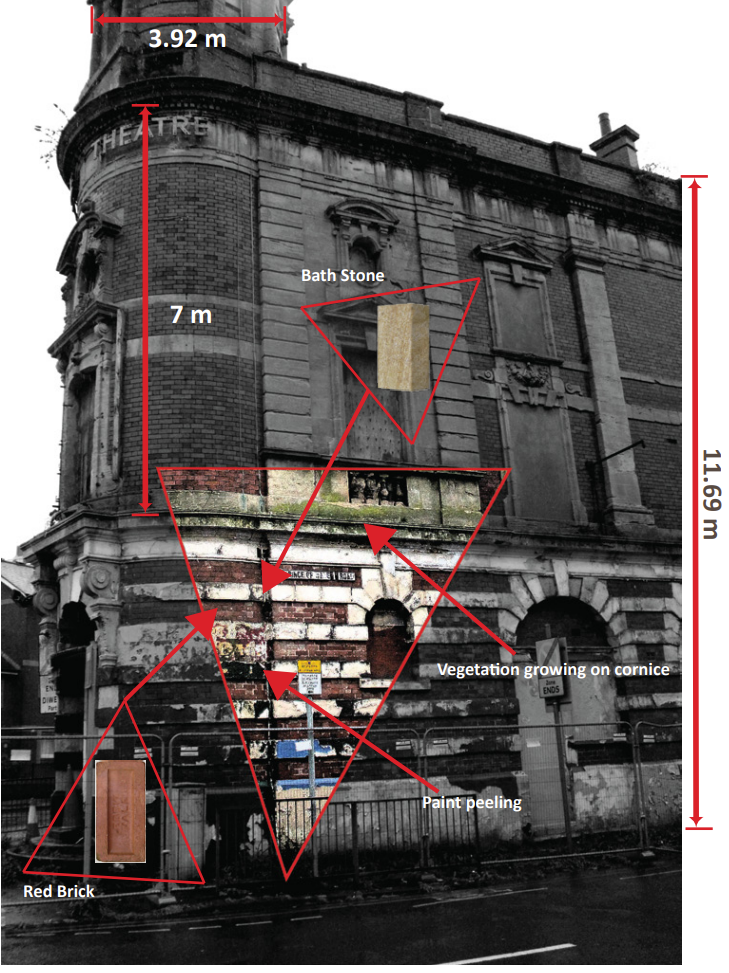
palace theatre
swansea, wales, uk
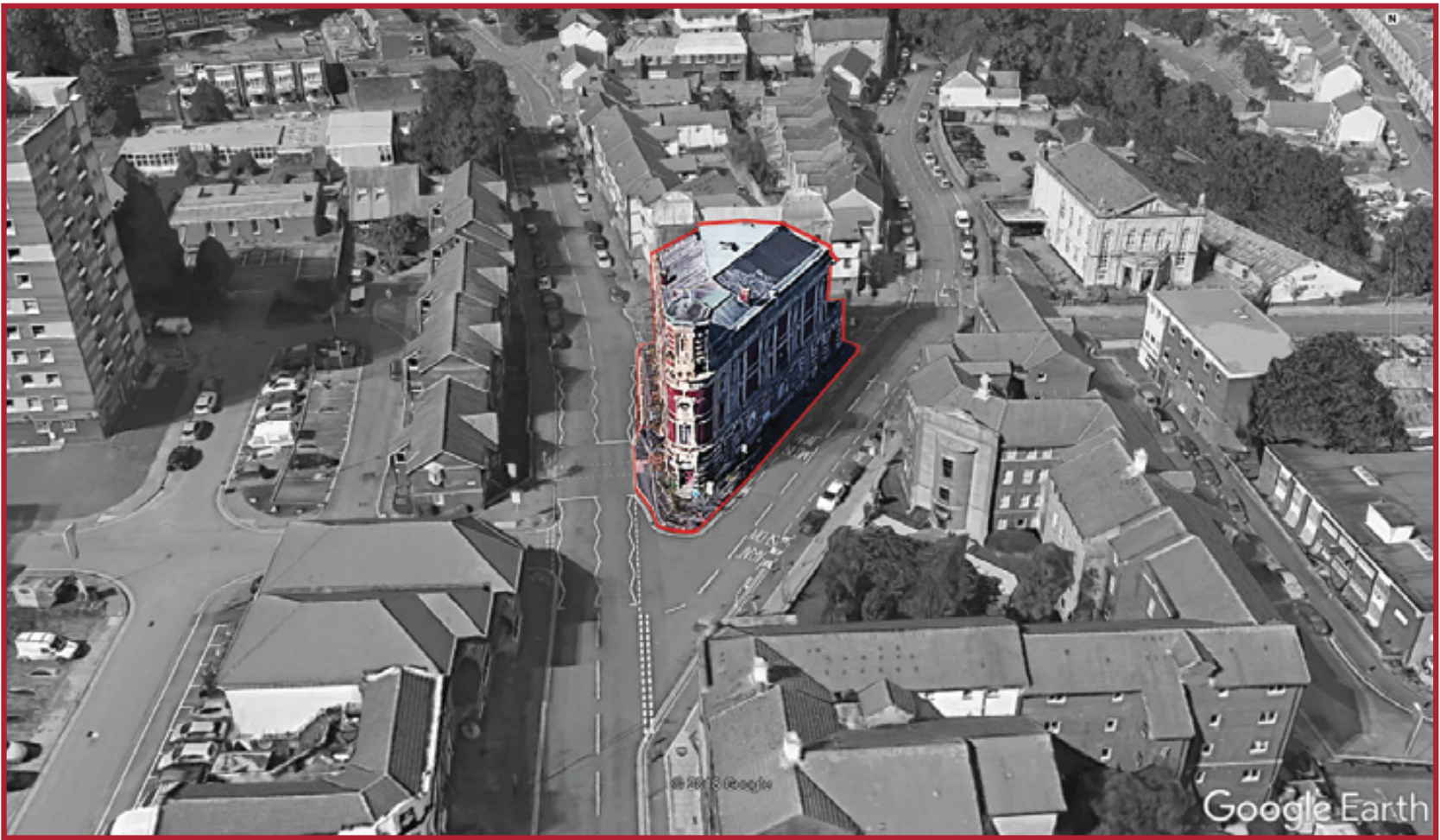
This research examines the Palace Theatre—one of Swansea’s most storied landmarks—and traces its 130‑year evolution from a celebrated performance venue to a building at extreme risk. Once home to vaudeville acts, early cinema, and even the first professional stage appearance of Sir Anthony Hopkins, the theatre has undergone decades of shifting uses, from cinema to bingo hall to nightclub, before falling vacant in 2007. Through archival study, visual surveys, and planning analysis, the report documents the building’s architectural significance, its Grade II listing, and the alarming deterioration that now threatens its survival. It also highlights the community‑driven efforts—festivals, protests, and local advocacy—that have kept the theatre in public consciousness despite stalled restoration. The study proposes a regeneration framework rooted in collaboration between residents, local authorities, and university partners, arguing that the Palace Theatre can once again become a cultural anchor for High Street. Whether restored as a performance venue or adapted for new uses, the building’s future depends on collective action to preserve its history and reimagine its role in Swansea’s urban fabric.